Barrett Is Bringing 6.8x51mm Capability To The MRAD MK 22
Gungho Cowboy
17 Jun 2026
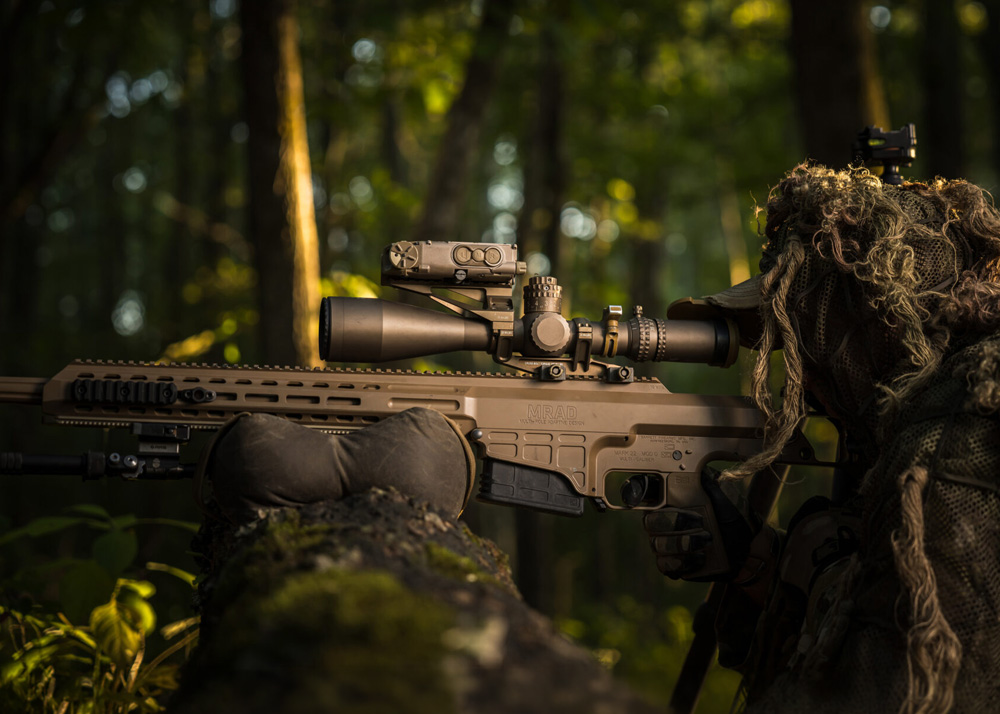
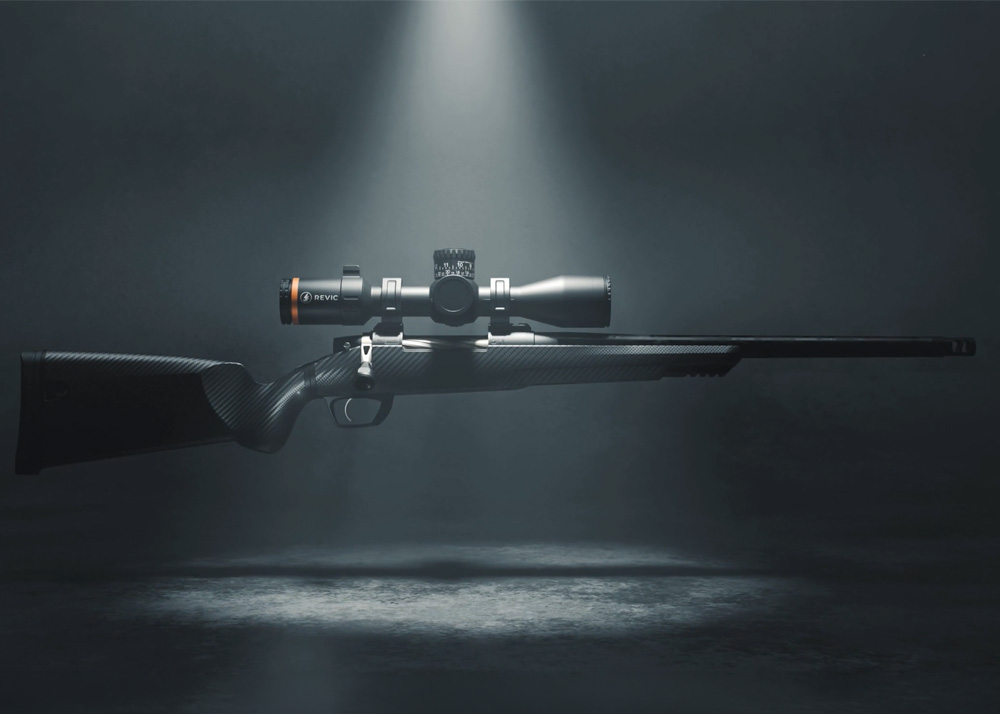
The Barrett MRAD MK 22 has never lacked for ambition. Developed as the winner of both the USSOCOM Advanced Sniper Rifle and the U.S. Army Precision Sniper Rifle contracts, it is a bolt-action platform already capable of switching between 7.62×51mm NATO, .300 Norma Magnum, and .338 Norma Magnum with no more than a single tool and the determination of a reasonably competent soldier. It features a folding aluminium chassis, an M-LOK upper receiver, a 10 MIL optics rail, and a suppressor-capable muzzle brake. This is a rifle built, in Barrett's own words, "fit for the elite." It is, in short, not a system that needed rescuing. But Barrett has decided to add to its repertoire regardless, and the reasoning is rather compelling.

The company has announced the ongoing development of a 6.8×51mm calibre conversion kit for the in-service MK 22 platform. For context, this is the same cartridge now powering the U.S. Army's next-generation small arms ecosystem: the M7 Rifle, the M250 Automatic Rifle, and the M157 Fire Control system. The 6.8×51mm round which is sometimes referred to as the .277 Fury in its commercial incarnation, operates at substantially higher pressures than its predecessors and was designed from the outset to deliver greater terminal performance at range. The Army has committed considerable institutional weight behind it, which makes its absence from the MK 22's calibre menu a gap worth closing.
What makes this development noteworthy beyond the cartridge itself is the way Barrett is funding it. This is not a government-directed programme with a contract number and a milestone schedule dictated from above. Barrett is footing the bill independently, conducting testing and evaluation at its own initiative and on its own timeline. The logic is pragmatic: if operational requirements emerge for enhanced performance 6.8×51mm ammunition within the sniper role, Barrett intends to have a solution already proven and, on the shelf, rather than scrambling to develop one after the fact. In the defence industry, being second with a capability is rarely a distinction anyone celebrates.
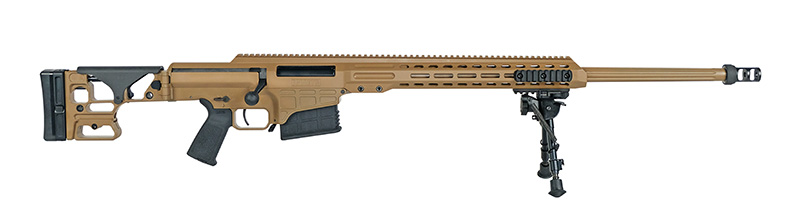
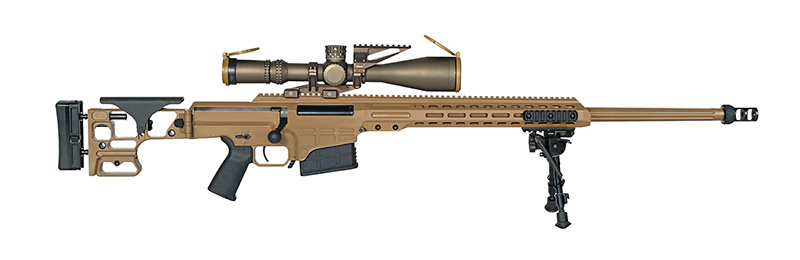
The technical challenge is not trivial. The 6.8×51mm cartridge uses a novel hybrid case construction: a steel head bonded to a brass body that allows it to withstand the substantially elevated chamber pressures required for its performance envelope. Adapting the MK 22 to handle this reliably means more than simply producing a new barrel; the magazine geometry and feed system also require careful reconfiguration to ensure consistent, combat-reliable cycling. Barrett's development effort is focused precisely on maturing these two elements: barrel and magazine. Getting both right in a sniper system, where a single mechanical failure at an inopportune moment carries consequences somewhat more serious than mild inconvenience, is the sort of work that benefits from patience.
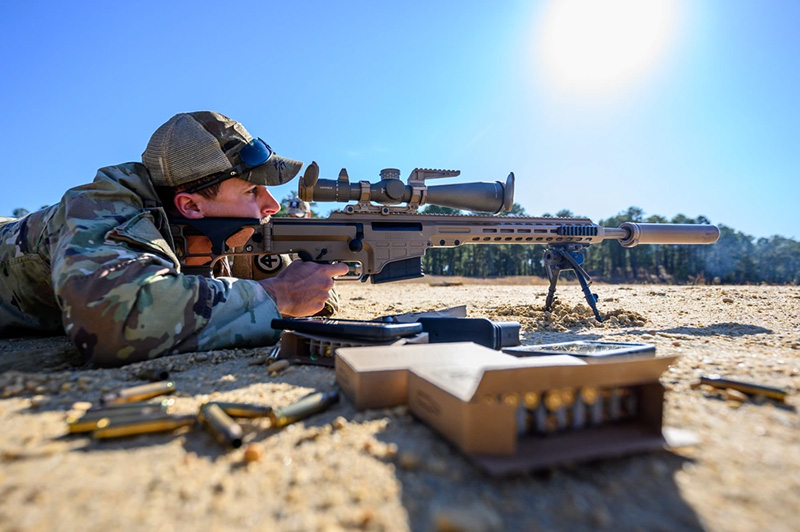
One detail in Barrett's announcement is easily overlooked but worth noting: the conversion kit is being designed to function not only with operational ammunition but also with reduced-range training rounds. This is a sensible and pragmatic inclusion. Fielding a capability that soldiers can only practise with on a live range using full-pressure service ammunition would rather undermine the point. Soldiers need to train as they fight, and if the 6.8×51mm MK 22 kit is ever pressed into service, the ability to run affordable training variants through the same platform without requiring a separate system is a genuine logistical and budgetary benefit.
The MK 22 itself is already something of a chameleon. Barrett's user-changeable calibre system, which is one of the platform's more celebrated features, was always designed around the idea that a single rifle chassis need not be permanently wedded to a single cartridge. That design philosophy, combined with the system's sub-MOA accuracy standard and the reported ability of users to make consistent hits at 1,800 yards, makes it a credible candidate for adding yet another round to its résumé. A 6.8×51mm upper configuration would sit alongside the existing trio of calibres without fundamentally altering what the rifle is or how it is employed. Merely expanding the envelope of what it can be asked to do.
“Barrett remains focused on ensuring the warfighter maintains a decisive capability advantage through continued innovation and adaptation of proven sniper systems.
As ammunition technology and battlefield requirements evolve, Barrett is committed to remaining the leader in long range by delivering adaptable, mission-ready solutions for the Department of War.”
Ryan Krantz, Vice President of Business Development & Sales for Barrett
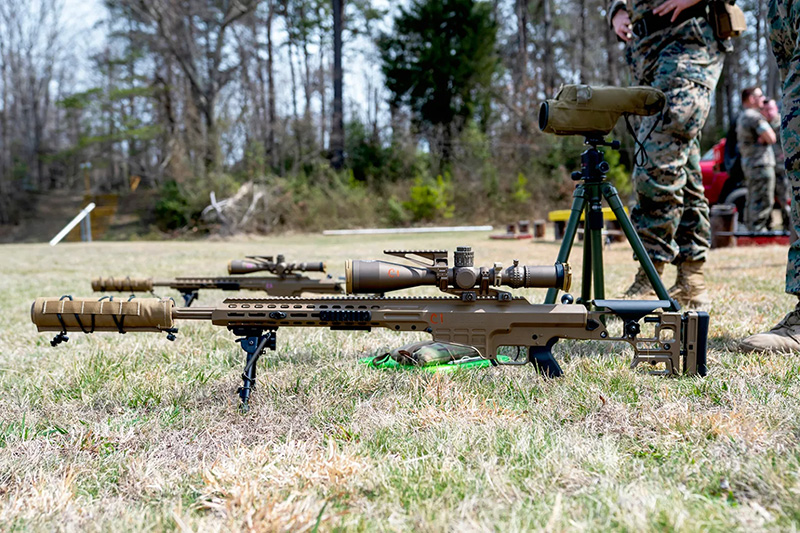
(Photo credit: MCSC OPAC US Marine Corps)
Barrett has not yet announced a completion date for testing and evaluation, and further details are to follow as development matures. Given that the effort is self-funded and driven by anticipated rather than confirmed demand, the timescale is likely to be shaped by test results as much as any external pressure. What the announcement does signal, however, is that Barrett is paying close attention to where the U.S. Army's ammunition ecosystem is heading and positioning the MK 22 to remain relevant within it. Sniper systems do not become obsolete overnight, but they do require tending. This is Barrett doing exactly that, quietly, at its own expense, and before anyone has officially asked.