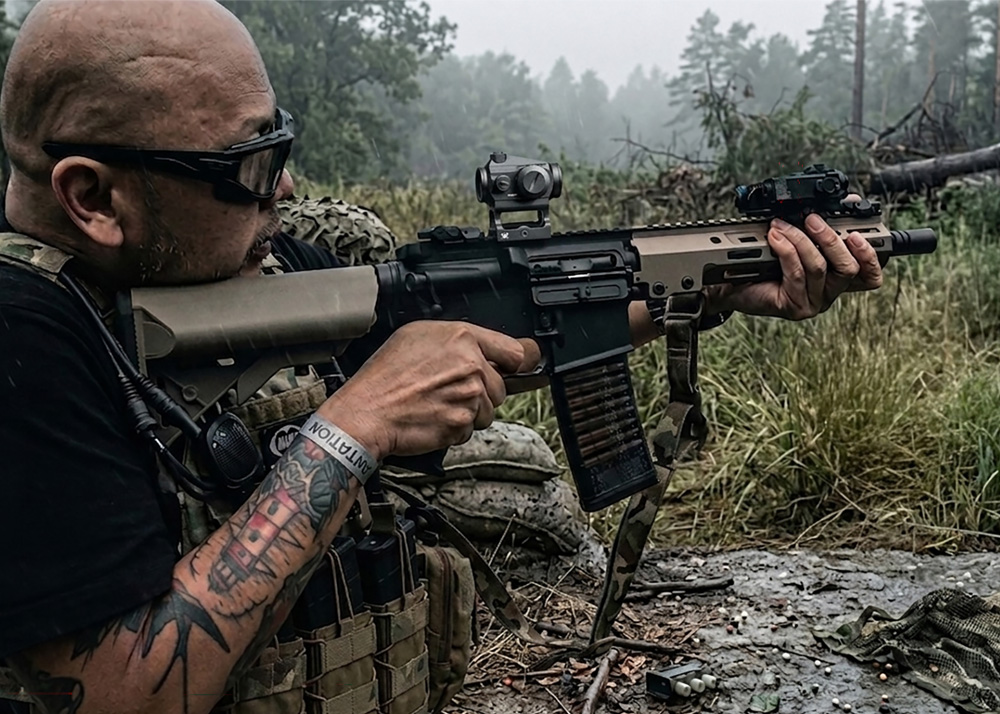
The Great North’s New Weapon: The Canadian Modular Assault Rifle
Logan
25 Mar 2026
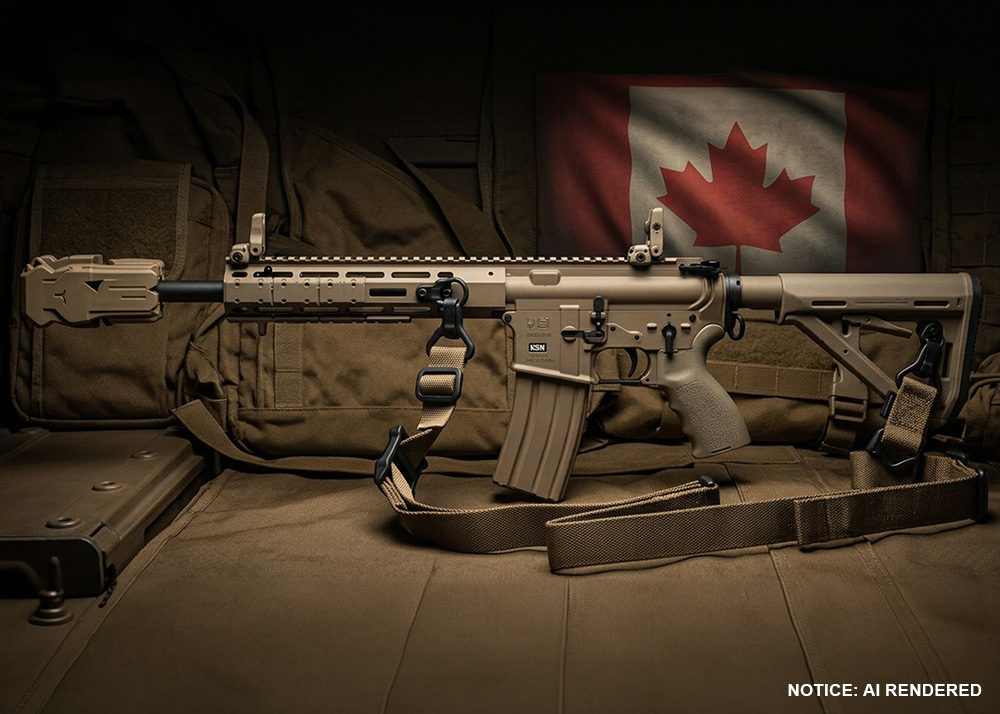
On March 19, 2026, Colt CZ Group has formally confirmed that the Canadian Defence Investment Agency (DIA) has awarded a $273 million CAD contract (excluding taxes) to Colt Canada, marking a pivotal moment for the Canadian Modular Assault Rifle (CMAR) project. This procurement is designed to facilitate a comprehensive replacement of the aging C7 and C8 assault rifle fleet, which has served as the primary small arms platform for the Canadian Armed Forces (CAF) for over three and a half decades. By initiating this transition, the government seeks to address the technological gap that has widened since these platforms were first commissioned, ensuring that frontline personnel are equipped with contemporary tools suited for modern theatre requirements.
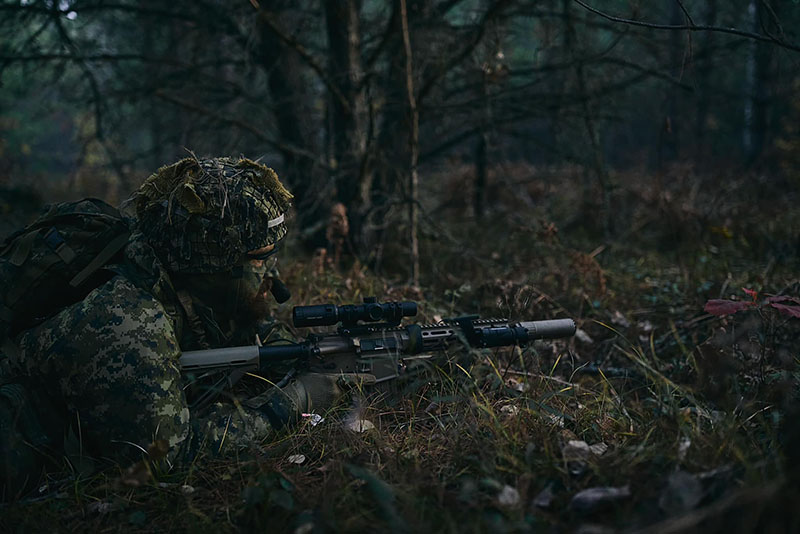
A member of Governor General's Foot Guards trialing the CMAR (Source: Governor General's Foot Guards Facebook Page, October 22, 2024)
The official launch of the CMAR program took place at the Colt Canada manufacturing facility in Kitchener, Ontario. The event featured key government representatives, including the Honourable Stephen Fuhr, Secretary of State for Defence Procurement, and the Honourable David J. McGuinty, Minister of National Defence. Their presence emphasized the strategic importance of the Kitchener plant, which has operated as Canada’s Small Arms Centre of Excellence for several decades. This facility’s designation as the exclusive supplier to the Canadian military underscores a long-standing partnership aimed at supporting domestic sovereignty over essential defense manufacturing and technical expertise.
“Providing modern, reliable capabilities to the Canadian Armed Forces is central to the Defence Investment Agency’s mission, and our streamlined approach will deliver this capability to our troops faster. This contract with Colt Canada advances Canada’s new Defence Industrial Strategy by strengthening domestic production, creating good‑paying jobs, and growing our economy. By investing in advanced systems and Canadian expertise, we are ensuring our Forces remain ready for the challenges ahead while building a stronger, more resilient defence industry at home,” said the Honourable Stephen Fuhr, Secretary of State for Defence Procurement.
Under the terms of this agreement, the acquisition will be managed through a structured, two-phase rollout to ensure logistical stability and fiscal oversight. Phase 1 focuses on the immediate procurement of 30,000 General Service (GS) rifles, scheduled for delivery between 2026 and 2029. The total estimated value for this initial phase, when accounting for applicable taxes, reaches approximately $307 million. This first wave of production is intended to stabilize the current inventory while allowing the military to begin the complex process of system integration and training on a new modular platform.
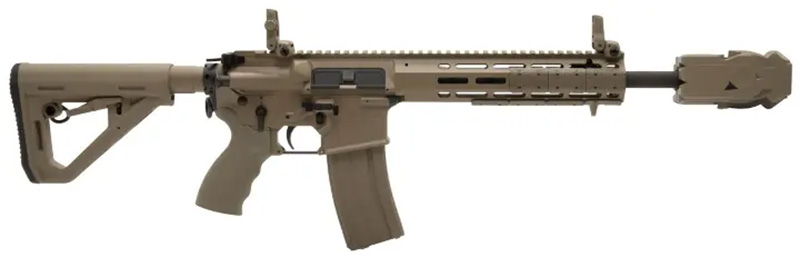
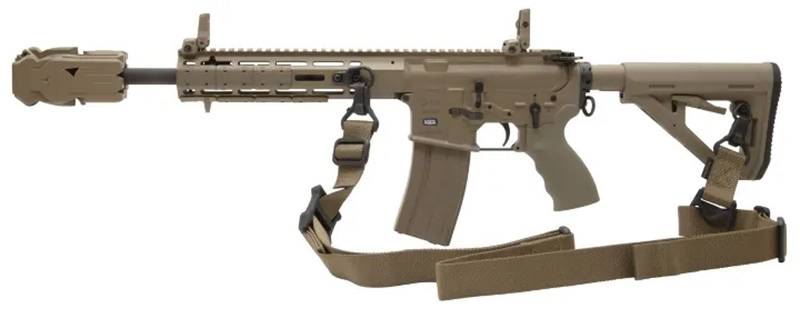
CMAR (Source: Canadian Armed Forces)
Following the first rollout, the contract includes provisions for a second phase, anticipated to commence in the fourth year of the agreement. This optional expansion involves the procurement of an additional 19,207 General Service rifles and 16,195 Full Spectrum (FS) rifles, bringing the total potential acquisition to 65,402 units. The Full Spectrum variants and associated ancillaries are designed to provide specialized capabilities for diverse operational roles, ensuring that the CAF maintains a versatile edge in both conventional warfare and asymmetric engagements. This phased approach allows the DIA to scale the procurement based on evolving budgetary and security requirements.
Beyond the hardware itself, the CMAR project is a significant investment in Canada’s broader defense industrial base. Colt Canada has committed to ensuring that at least 80% of the contract’s value consists of Canadian content. This commitment is expected to contribute roughly $10 million annually to the national GDP over the next five years, fostering a robust domestic supply chain. By using the Industrial and Technological Benefits (ITB) Policy, the government ensures that these defense expenditures generate high-value economic activities, supporting skilled labor and incentivizing innovation within the domestic aerospace and defense sectors.
The move to replace the C7/C8 fleet is a core part of the recently announced Defence Industrial Strategy. This strategy aims to align military procurement more closely with long-term industrial priorities, moving away from fragmented purchasing toward a more integrated model. By engaging industry partners earlier in the design and procurement lifecycle, the DIA intends to reduce the time between the identification of a capability gap and the fielding of a solution. The CMAR project serves as a primary example of this new methodology, focusing on domestic production to secure the supply chain against international market volatility.
To accelerate the delivery of these systems, the DIA utilized a Risk-Based Approach (RBA) for the CMAR acquisition. This streamlined process prioritizes direct asset replacement to bypass some of the bureaucratic delays historically associated with major defense programs. By adopting this model, the Canadian government demonstrates an intent to modernize the CAF at a pace that reflects the urgency of the current global security environment. This methodology not only speeds up the arrival of equipment to soldiers but also provides a clearer roadmap for the industry to manage production schedules and resource allocation.
“Colt Canada is proud to continue supporting the Canadian Armed Forces through the CMAR program. We remain committed to delivering high-quality, Canadian-manufactured solutions that meet the evolving needs of Canada’s soldiers,” said Sean Congdon, President and CEO of Colt Canada.
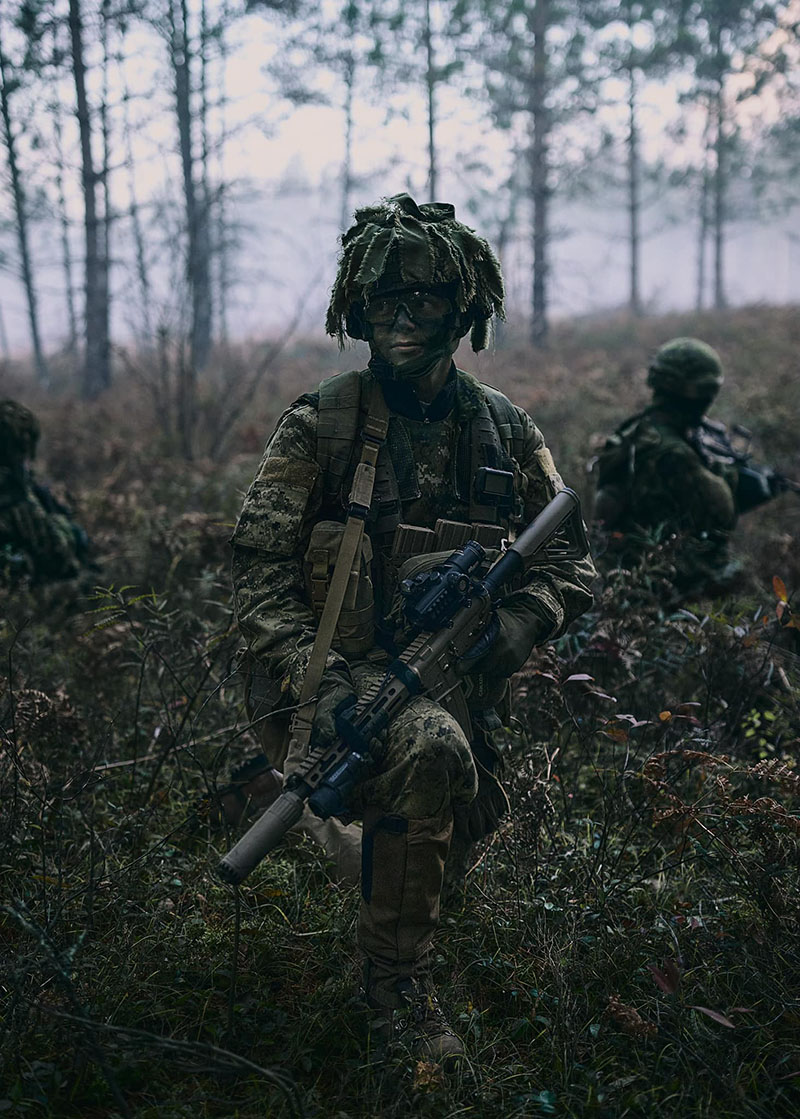
A member of Governor General's Foot Guards trialing the CMAR (Source: Governor General's Foot Guards Facebook Page, October 22, 2024)
The modernization of small arms is also a strategic necessity for Canada’s international obligations. As a member of NATO, Canada is under increasing pressure to meet defense spending targets and maintain interoperability with allied forces. The CMAR project addresses these goals by providing a modular system that can be easily integrated with modern optics, aiming devices, and other standardized NATO accessories. Improving the reliability and protection of deployed members through superior equipment is a fundamental requirement for Canada to remain a capable contributor to multi-national operations and Arctic sovereignty patrols.
Ultimately, the CMAR contract reflects a generational shift in how Canada approaches its national defense obligations. By combining the immediate tactical need for new rifles with a long-term economic strategy, the government is attempting to build a self-sustaining defense ecosystem. The partnership with Colt Canada ensures that the technical knowledge needed to maintain and evolve these weapon systems remains within the country. As the first 30,000 rifles begin to roll off the assembly line in 2026, the transition will mark the end of one era of Canadian infantry history and the beginning of a more technologically integrated future.